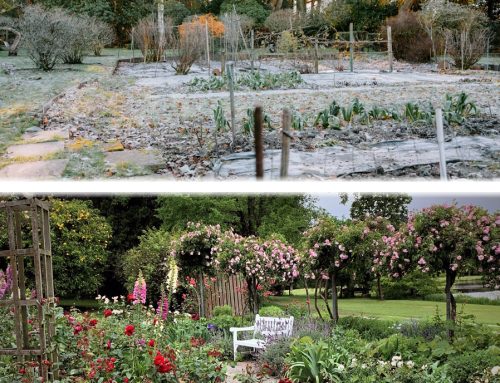

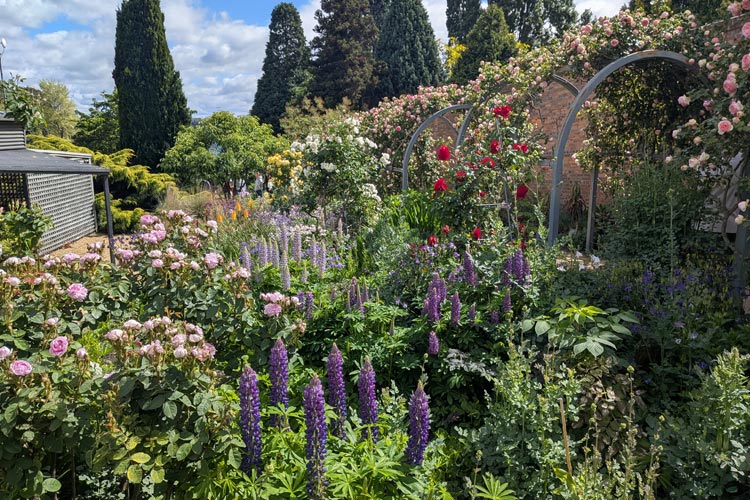
A recent trip to Hobart Botanic Gardens once again reminded me just how seasonal other climates can be! We often comment on how vivacious Sydney gardens can be in spring, but there was an absolute plethora of spring flowers on display in the mixed borders in Hobart. Lupins, roses, echiums and irises had been interplanted for a traditional look, but elsewhere kangaroo paws and exotic proteas were also putting on a great show.
Of course, not all of these plants will thrive in Sydney, but we can take the same principle of synchronised flowering and apply it to the plants that we know will work. Right now, for example, iceberg roses, gaura and buddleia are flowering together in my garden, and would make a great ‘naturalistic’ border mixed in with some soft grass like a smaller pennisetum, lending structure and summer-autumn interest.
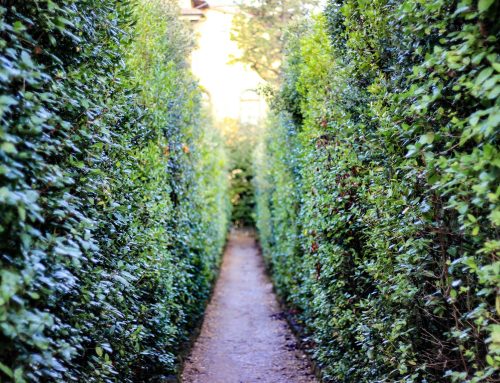
- Make sure to trim your hedges while they are in the throes of spring, don’t leave it too late. Smaller and more regular cuts are better and promote density, and if the plant is actively growing it will bounce back faster. If you wait until the growing season is over and do a harder cut, you’re more likely to end up with sparser growth and be cutting into woodier stems.
- We recently visited a client with a trouble spot in their garden – they rightly identified that it was receiving the western sun and trapping heat, but they were still struggling to establish even hardy plants like rosemary. The issue is often water! New plants are very vulnerable, no matter how tough, and proper prep of the planting hole followed by regular, even application of water to the rootball is critical. Dripline irrigation is often not enough to establish a plant, especially in a difficult spot.
- Slug and snail season is also upon us! My Eucharist lilies are certainly being targeted. If you have outdoor pets, be wary of spreading pellets containing metaldehyde or similar pesticides. Iron chelate is a safer alternative as an active ingredient, but still exercise caution with your pet until the pellets have broken down. There are also home remedies and other options such as beer traps, copper tape and ground eggshells, but there is at best limited evidence that these are effective. In my experience, the best preventative is a strategic application of pellets timed for maximum slug activity, until the plant matures to a size where a bit of slug damage is not a death sentence! After that, I tend to just live with it.
OUTHOUSE offers in-person consultations with qualified horticulturalists to help you get the most value out of your landscape. We can provide verbal advice, planting plans or a full landscape design. Get in touch with us to discuss your needs.
View past tips for November here!